



Celebrating Murder Is the Latest Social Media Craze
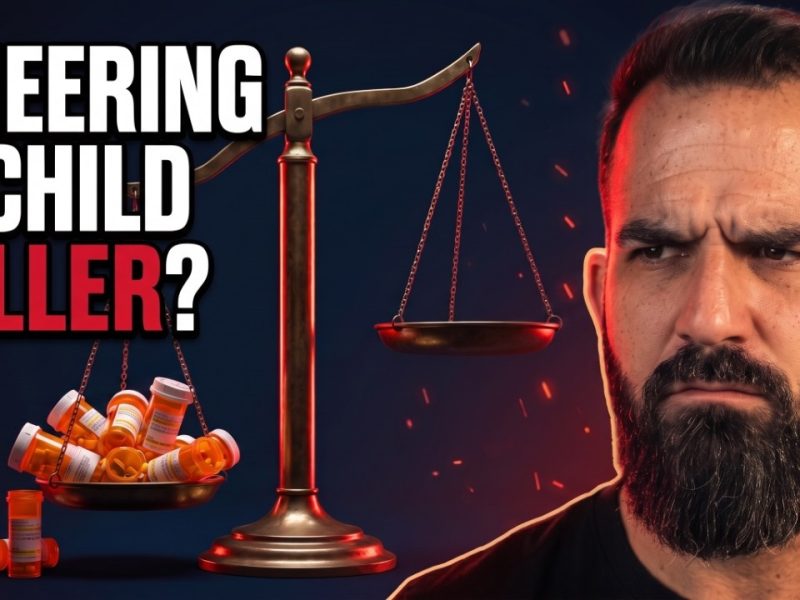
You can tell a lot about a society by what it celebrates. Today, a disturbing trend is spreading across social media: people accused or convicted of killing others are becoming celebrities, victims are being pushed aside, and sympathy is increasingly directed toward those responsible for taking innocent life.
In this episode of The Deep End, Pastor Tim Hatch examines the online fandom surrounding Luigi Mangione and Lindsay Clancy and asks what this cultural phenomenon reveals about America’s changing understanding of good and evil, justice, victimhood, empathy, and personal responsibility.
From online communities celebrating Luigi Mangione to supporters rallying around Lindsay Clancy, Tim explores what has been described as “forensic fandom”—the growing tendency to treat real criminal cases like entertainment, build communities around defendants, and turn people at the center of violent crimes into social media celebrities.
But Tim argues that something deeper is happening. When sympathy for the person responsible begins to overshadow concern for the person who was killed, our moral categories have become dangerously confused.
Isaiah 5:20 warns, “Woe to those who call evil good and good evil, who put darkness for light and light for darkness.” Tim uses this passage as a framework for examining a culture in which murderers can become heroes, personal responsibility can be replaced by claims of victimhood, and empathy can become detached from truth and justice.
The episode also examines Massachusetts abortion policy and the story of Kate Dineen, whose experience with a late-term abortion led her to advocate for changes to state law. Tim connects the abortion debate to the episode’s broader question about innocent life and a culture increasingly willing, in his view, to redefine who should receive society’s sympathy and protection.
Ultimately, this episode is not simply about Luigi Mangione, Lindsay Clancy, social media, or abortion. It is about a much larger spiritual question: What happens to a society when personal guilt is replaced by collective blame and compassion is separated from truth?
Tim argues that the Christian answer is not hopelessness or another political revolution. It is the Gospel. Scripture teaches that every person is accountable before God, that repentance begins by acknowledging our own sin, and that genuine transformation comes through Jesus Christ.
In This Episode
- Why murderers are becoming social media celebrities
- The online fandom surrounding Luigi Mangione
- Lindsay Clancy supporters and the growing “forensic fandom” phenomenon
- Why victims can disappear from the cultural conversation
- Isaiah 5:20 and what it means to call evil good and good evil
- Victimhood culture versus personal responsibility
- When empathy becomes detached from truth and justice
- The biblical importance of justice for innocent life
- Massachusetts abortion policy and the story of Kate Dineen
- Personal guilt versus collective blame
- Why political and cultural revolution cannot transform the human heart
- The Gospel, repentance, and the Christian response to cultural darkness
🌎 Cultural Relevance
Social media has transformed the way Americans experience crime, justice, and tragedy. Criminal cases no longer unfold only in courtrooms and newspapers. They become online communities where millions of people can choose sides, create content, raise money, buy merchandise, and develop emotional attachments to people they have never met.
The cultural question is no longer simply whether society believes in compassion. It is where that compassion is directed and whether empathy remains connected to truth, personal responsibility, and justice.
For Christians, the issue goes even deeper. Scripture repeatedly warns against reversing moral categories, shedding innocent blood, and refusing personal accountability. This episode challenges believers to recognize cultural darkness without surrendering to despair—and to remember that the ultimate Christian response is not simply condemnation of the culture, but proclamation of the Gospel that can transform the human heart.
💬 Join the Conversation
Why do you think people are increasingly drawn to defendants and convicted killers on social media?
Can empathy become dangerous when it is separated from truth, justice, and personal responsibility?
And what should Christians do when the surrounding culture begins calling evil good and good evil?
Share your thoughts in the comments and join the conversation.
👉 Watch the full episode, share your thoughts in the comments, and join the conversation.
📣 Engage With Us
✅ Drop a comment below—let’s talk.
✅ Watch & Subscribe on YouTube.
✅ Support The Deep End Podcast as we explore faith, culture, and current events through a biblical worldview.
👉 Partner with us: https://timhatchlive.com/support
👉 Become a monthly member: https://patreon.com/timhatchlive
🙏 Share the Hope
It is easy to look at stories like these and conclude that the culture is beyond hope. But the Christian response to darkness has never been despair.
The Gospel reminds us that every person needs repentance, forgiveness, and transformation through Jesus Christ. If this episode challenged your thinking, share it with a friend, family member, pastor, parent, ministry leader, or Christian trying to understand how to respond to a culture increasingly confused about justice, victimhood, and personal responsibility.
Christians are called not only to recognize darkness, but to carry the hope of Christ into it.





No Comments