



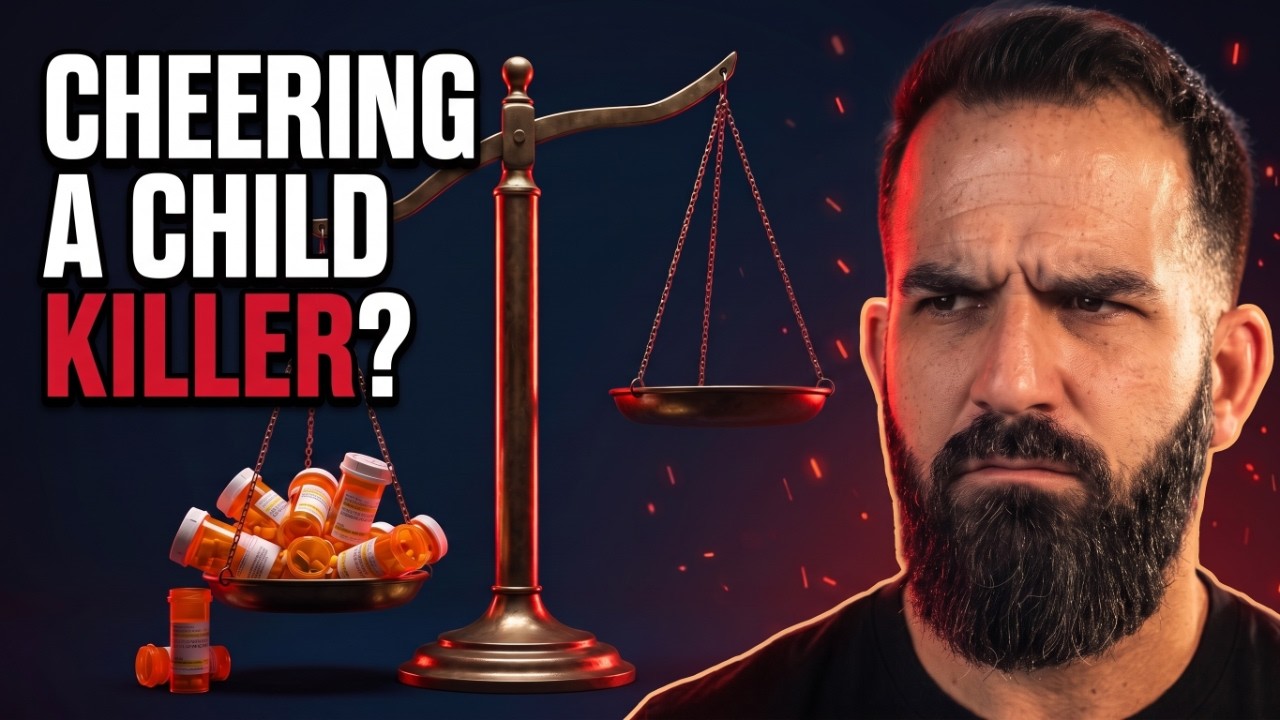
Why Is America Cheering for Lindsay Clancy?
The Lindsay Clancy trial has become a nationwide conversation about postpartum psychosis, mental illness, motherhood, criminal responsibility, and justice. But as supporters rally around Clancy and women across social media declare “We are Lindsay,” another difficult question needs to be asked: How should Christians respond?
In this episode of The Deep End, Pastor Tim Hatch examines the Lindsay Clancy case through a biblical worldview, looking beyond the legal arguments to the deeper questions it raises about the human mind, moral responsibility, compassion, and justice.
Tim examines the case being made in Clancy’s defense, including her reported postpartum psychosis with bipolar features, command hallucinations, extensive psychiatric treatment, medication history, and claims that the medical system failed her. He also considers the testimony about Clancy as a previously loving and devoted mother—and asks whether mental illness or psychological disturbance ultimately removes moral responsibility for taking innocent life.
The episode also explores the striking cultural response surrounding the case. From courthouse rallies and public displays of support to social media trends identifying with Clancy, Tim contrasts today’s reaction with the public response to Susan Smith following the murder of her two sons in 1994. What changed in America’s understanding of guilt, victimhood, compassion, and personal responsibility?
Turning to Scripture, Tim examines biblical accounts of deeply disturbed and tormented individuals, including King Saul, Nebuchadnezzar, and the demon-possessed man encountered by Jesus. He explores what the Bible teaches about the fallen human mind, spiritual warfare, moral agency, innocent blood, justice, and the transformation of the mind through Christ.
This episode asks Christians to wrestle with an uncomfortable but important question: Can we acknowledge the reality of mental illness and show compassion toward those who suffer while still insisting on accountability and justice for innocent victims?
In This Episode
- Why the public response to Lindsay Clancy matters
- The postpartum psychosis and mental illness defense
- Clancy’s psychiatric treatment and medication history
- Did the medical system fail Lindsay Clancy?
- The “We Are Lindsay” movement and social media reaction
- Lindsay Clancy compared with Susan Smith
- Mental illness, moral agency, and criminal responsibility
- What King Saul and other biblical accounts teach about the human mind
- Spiritual warfare and the Christian understanding of mental illness
- What Scripture says about innocent blood and justice
- Why compassion and accountability are not mutually exclusive
- How Christians should respond to the Lindsay Clancy case
🌎 Cultural Relevance
The Lindsay Clancy case is about more than the outcome of one trial. It sits at the intersection of some of the most consequential debates in American culture: mental health, motherhood, psychiatric treatment, personal responsibility, victimhood, criminal justice, and the growing influence of social media on how society determines who deserves sympathy.
As the culture wrestles with where mental illness ends and moral responsibility begins, Christians face an additional question: Will our understanding of the human mind, guilt, compassion, and justice be shaped primarily by the culture around us—or by Scripture?
This episode challenges Christians to take mental suffering seriously without allowing compassion for an offender to overshadow the innocent lives that were lost.
💬 Join the Conversation
Does mental illness change moral responsibility? Can Christians show compassion toward someone suffering from severe mental illness while still demanding justice for innocent victims?
And what do you make of the public support surrounding Lindsay Clancy?
Share your thoughts in the comments and join the conversation.
👉 Watch the full episode, share your perspective, and join the discussion.
📣 Engage With Us
✅ Drop a comment below—let’s talk.
✅ Watch & Subscribe on YouTube.
✅ Support The Deep End Podcast as we explore faith, culture, and current events through a biblical worldview.
👉 Partner with us: https://timhatchlive.com/support
👉 Become a monthly member: https://patreon.com/timhatchlive
🙏 Share the Hope
Questions about mental illness, personal responsibility, compassion, and justice are shaping conversations in families, churches, courtrooms, and communities across America.
If this episode challenged your thinking, share it with a friend, family member, pastor, ministry leader, or someone wrestling with how Christians should respond to the Lindsay Clancy case.
In a culture struggling to define right and wrong, Christians are called to pursue truth, protect innocent life, renew their minds through Christ, and approach even the most difficult issues through the authority of Scripture.





No Comments